




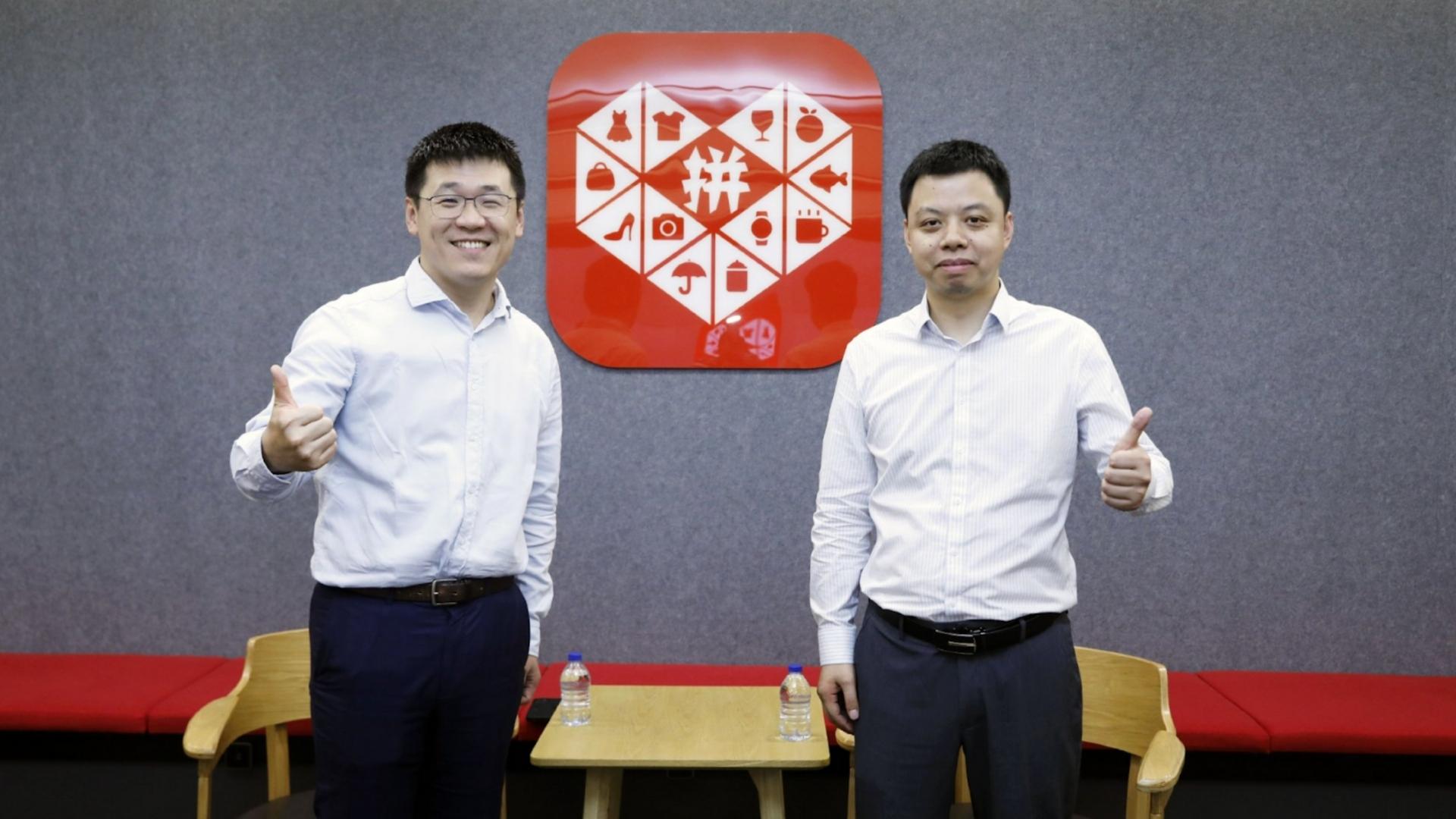
In a world obsessed with AI, Temu parent PDD group again looks like an anomaly.
PDD Group announced their Q3 earnings last week. Again the market reacted negatively, sending the share price down by 7.33% in the trading day after the announcement.
The earnings call, as usual, became a major contributor to the price drop. We have published the Q&A parts of the call here.
Are investors increasingly becoming impatient about the management? And why do Lei Chen and Jiazhen Zhao, the Co-CEOs, kept dampening the investor mood (highly unusual amongst profitable listed companies)?
Here are some of our thoughts about the latest performance of the group:
- PDD’s earnings have become something predictable for the last few quarters. No matter the financials, the Co-CEOs would reiterate that the future is uncertain and profits/growth unsustainable. This always led to a major sell-off after the call;
- During the entire one hour of the latest earnings call, the management did not mention the word “AI” even once. In comparison, Sea Group management mentioned “AI” 11 times during their latest earnings call; the word appeared a whopping 77 times during the Alibaba earning call for the previous quarter.
- Companies do not talk about AI for two reasons: either they do not have anything to talk about, or they do not need to. Another company which did not focus so much on AI in the latest earning call was Southeast Asia’s Grab. The word “AI” was mentioned only once, even though the company has multiple AI initiatives ongoing, notably investments in autonomous driving;
- Back to PDD group, the major concern for investors that led to the sell-off seemed to be the drop in advertising revenue. Analysts are split on whether the reason is declining GMV or reduced take rate. We think the latter is more plausible;
- Pinduoduo in China has been using “Smart vouchers” (智能优惠券) extensively this year. The automated, dynamic subsidies are used to increase sales conversion, and paid by the merchant/seller on the platform. In Pinduoduo’s case, this is recorded as contra revenue instead of sales & marketing expenses – therefore a reduction in effective take rate. What powers the “Smart vouchers”? AI;
- We also noticed that more and more affluent families, including that of one of our colleagues in Shanghai, are becoming regular buyers on Pinduoduo platform, switching from more premium platforms including JD.com & Tmall;
- It is very hard to derive Temu’s current profitability level – analysts we spoke to have very diverse opinions. What we do know for sure is that thanks to the trade restrictions from the US government, Temu’s penetration in other key markets has deepened. Now with the truce between China and US, it is rebuilding its growth int he US market;
- As for whether quick commerce will erode Pinduoduo and Temu market share, we are highly doubtful. Quick commerce addresses the instant needs (“fast”) of a segment of consumers; but value for money (“savings”) is always the core demand of the majority of consumers in any society.
Momentum Works has published a lot of articles about Pinduoduo/Temu on TheLowDown blog.
For a deeper understanding of the unconventional company sweeping through the global ecommerce scene, you can watch this episode of the Impulso Podcast, featuring an in-depth dialogue with Yao Kaifei, a renowned expert on the subject.
Kaifei is in Singapore this week for our first cohort of Momentum Works Executive Immersion (MWX) programme this week. The cohort is fully subscribed (a big thank you!). The second cohort will take place in late January, and we will open the registration soon. Stay tuned!