





We all know what AI microdramas are, you’ve likely seen a few when scrolling through your feed.
AI is taking over micro-dramas in China, that’s a fact. You’ve likely seen a few when scrolling through your feed even on platforms outside China: TikTok, YouTube, Instagram. While many of them still carry signs of AI-generation, the quality is good enough for the majority of viewers.
The proliferation is largely driven by rapid advances of video-generation models such as ByteDance’s Seedance. Now a studio can turn a script into watchable footage without a set, a crew or a shoot day.
But exactly how much has the AI microdrama industry grown? Speaking at a State Council Information Office briefing on 17 September, Wang Xiaoliang, who heads the online audiovisual programming department of China’s National Radio and Television Administration (NRTA), shed some light on the sector.
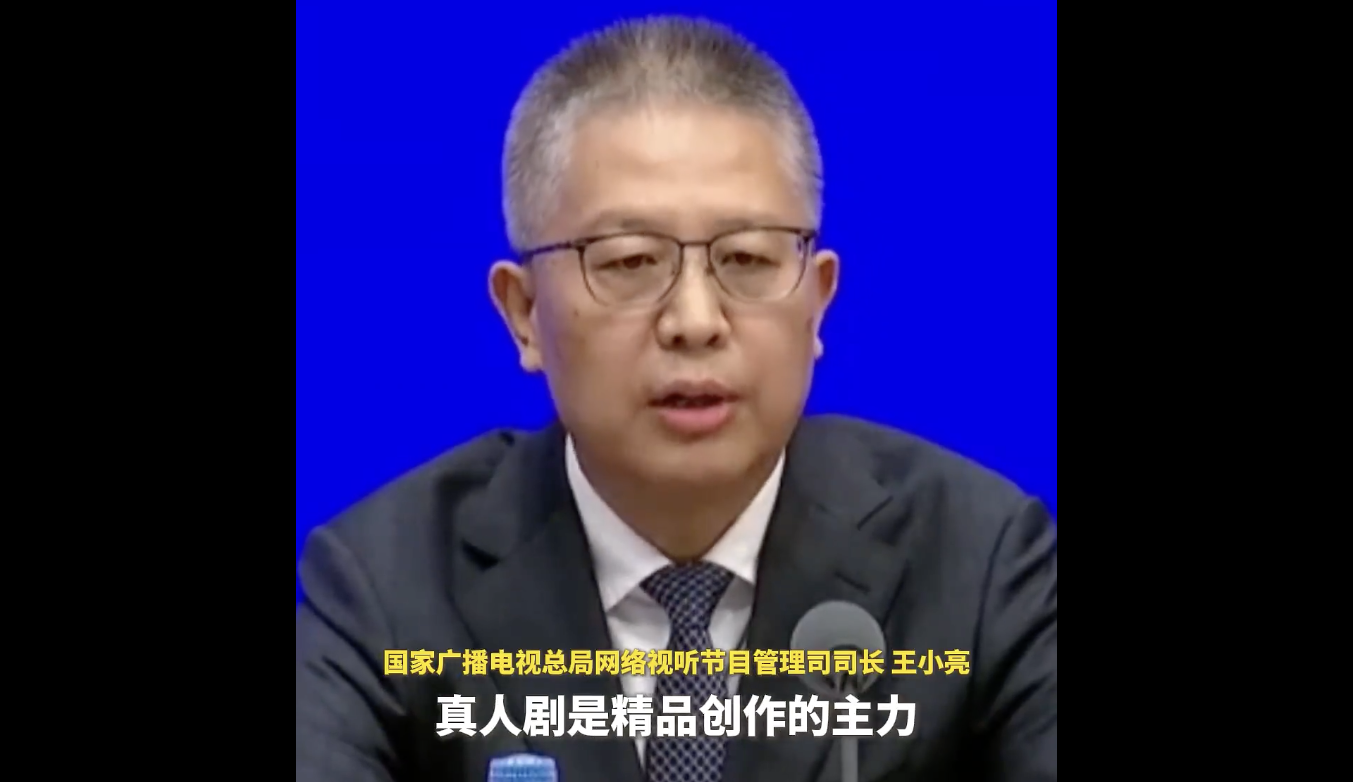
Specifically, he shared the following figures:
- 430,000 micro-dramas were released across China in the first eight months of 2026;
- That is 13 times the total for all of last year;
- More than 90% of those titles were AI-generated;
- Behind it: over 800 million micro-drama viewers in China, and a market that passed 100 billion yuan (~US$14 billion) in 2025.
We have had multiple discussions with industry practitioners during our Live Commerce Immersions to China – and discovered a surprising effect AI micro-drama’s growth has been having on employment.
While there are sensational news reports of entire shooting crews, from talent to cameramen, being laid off, the micro-drama industry as a whole actually grew in headcount.
One company we visited, which produces more than one thousand titles a month, told us that their staff count has quadrupled since the beginning of this year. This might be true – we saw that even the pantries in their office have been converted into work stations.
Across the country, hiring for AI video editors was up 179% year-on-year this June, and new roles like prompt writers (known as “card pullers”), AI storyboard artists and image generators are drawing in people from design, animation and IT who never worked in video content production.
At the same briefing, NRTA made clear it is not trying to slow AI down. In the meantime it is trying to protect human-made work.
Wang was explicit: live-action drama is “the main force of quality creation, and must be strongly supported.” Concretely, NRTA said it will direct platforms to open dedicated “live-action” zones and put real money behind them, so that well-made human productions have a market and a return.
For AI dramas, the line is “encourage innovation, hold the bottom line.” AI-generated titles must carry a content label, platforms must enforce portrait and voice authorization, and the full production chain is subject to review. Wang’s framing: “AI is a tool; humans are the subject of creation. The faster AI drama grows, the more we have to guard the content gate.” NRTA said 68,000 non-compliant micro-dramas were removed across the internet this year – targeting harmful, vulgar, child-unsafe and pirated content. Responsibility for these were placed primarily on the platforms.
AI lowered the cost of making a micro-drama, and the result was 430,000 titles in eight months. When supply grows that fast, value shifts to whatever stays scarce – well-made human productions – which is what the regulator has now decided to fund.