

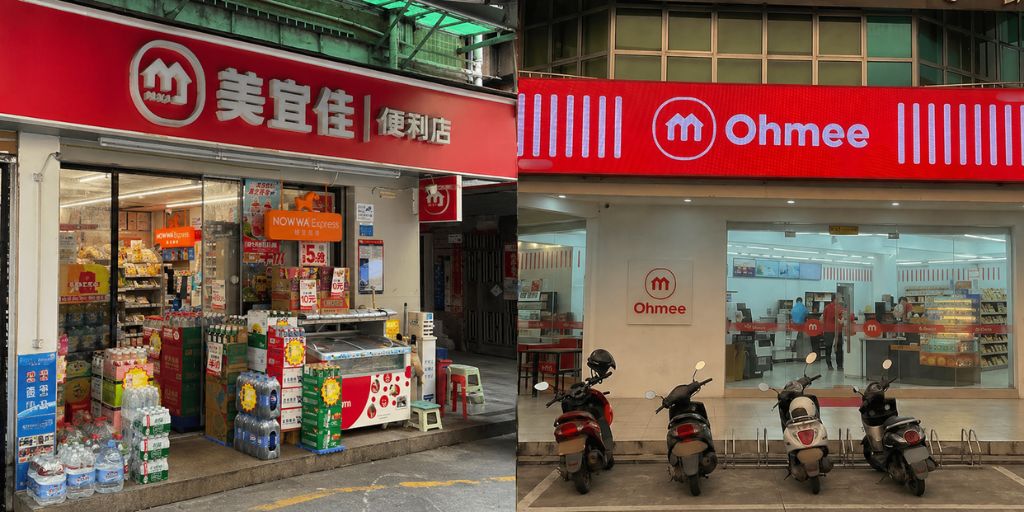
Meiyijia, China’s largest convenience store (CVS) chain, has entered Southeast Asia with its first outlets in Vietnam and Malaysia.
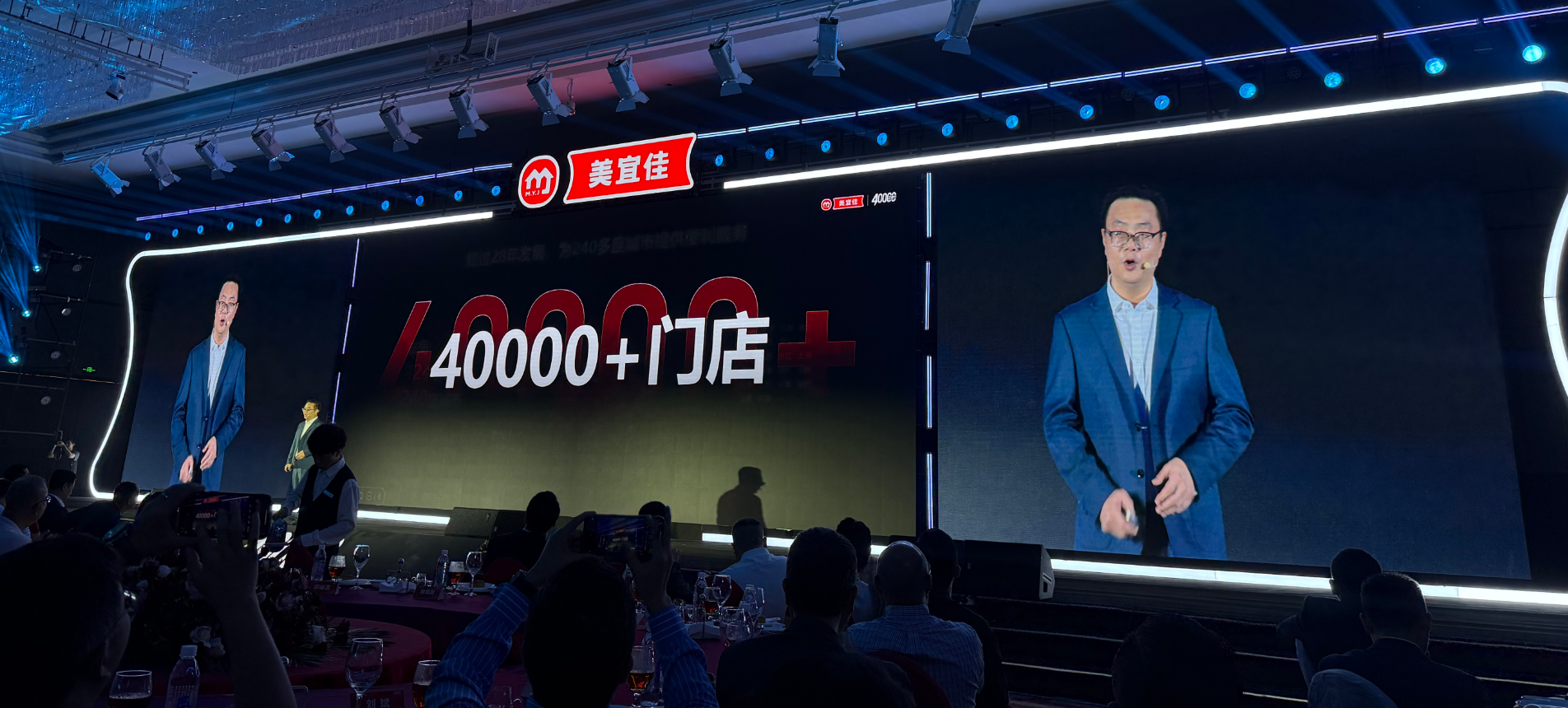
Last July, Meiyijia marked the opening of its 40,000th store. The vast majority of these outlets are concentrated in China’s industrialised southern and eastern provinces.
For its Southeast Asian push, the company is operating under a new brand, Ohmee, developed together with local partners.
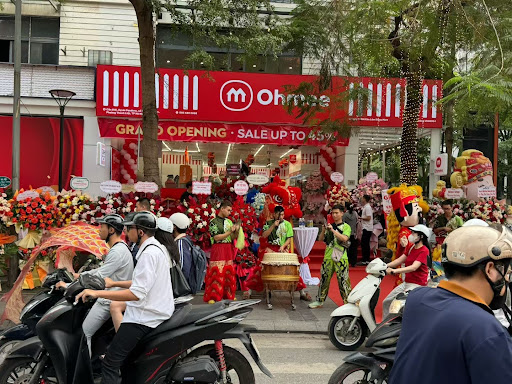 The “king of stores”
Founded in 1997 as a retail arm of a state-owned trading company, Meiyijia began its rapid expansion in the mid-2010s. It crossed 20,000 stores in 2020 – and doubled that number in less than five years.
Digitisation has been central to this growth, spanning store operations, supply chain management, and franchise systems.
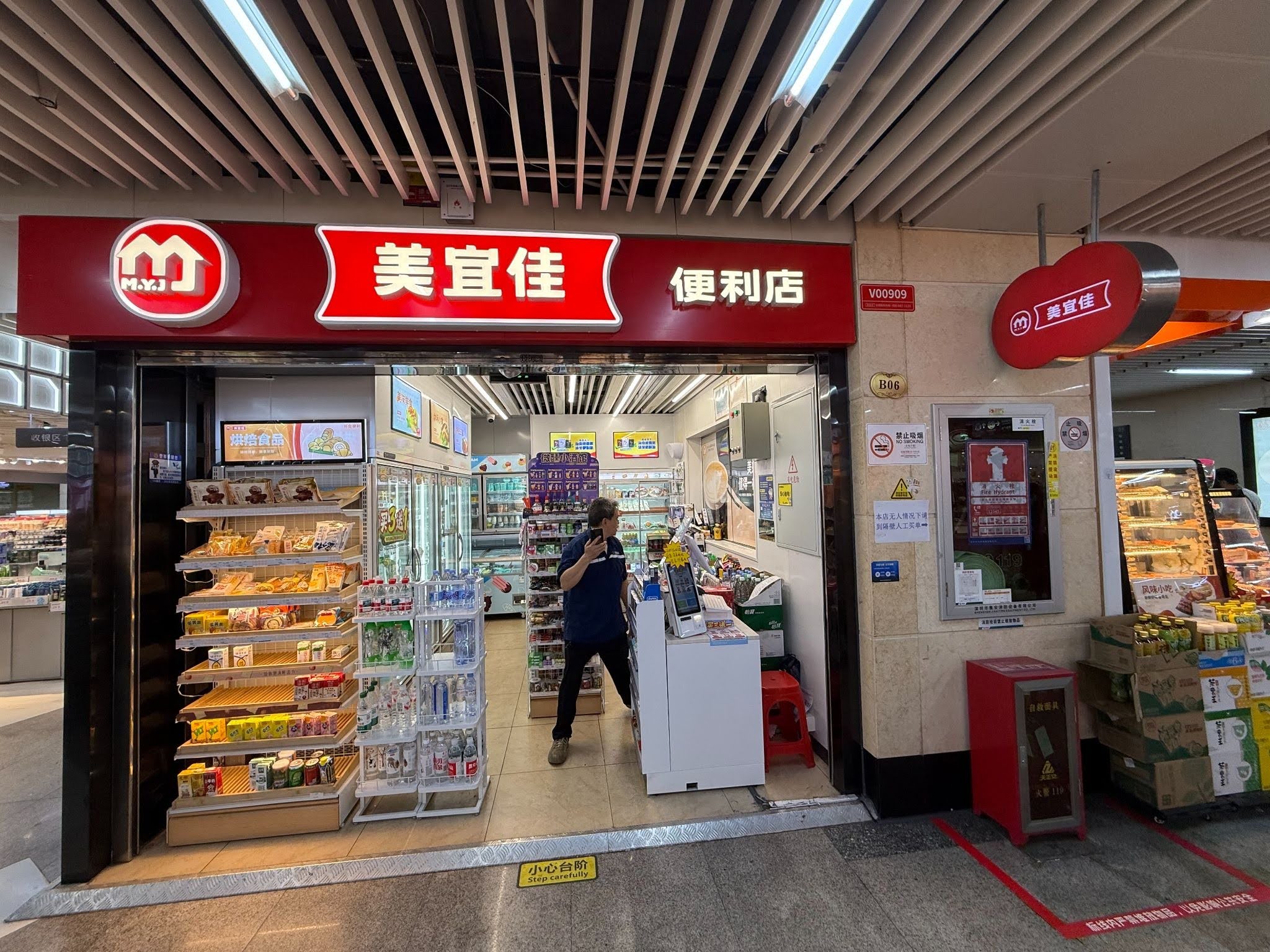
But to understand Meiyijia’s rise, one must look at Dongguan – the city where it was founded and is still headquartered.
Dongguan sits between the megacities of Shenzhen and Guangzhou (with a combined population of around 31 million). Unlike typical cities, it lacks a clear urban core. Instead, it is a continuous sprawl of industrial zones and residential clusters.
Of its more than 10 million residents, over 70% are migrants, many employed in factories.
This is ideal terrain for convenience stores. Demand for daily necessities – snacks, cigarettes, alcohol – runs around the clock. At the same time, former factory workers often become franchisees, while the absence of a traditional city centre keeps commercial rents relatively accessible.
It is no coincidence that Tianfu, China’s fourth-largest CVS chain, also emerged from Dongguan.
Meiyijia‘s global expansion
Over time, Meiyijia has also evolved into one of the largest distributors of consumer brands in China, particularly in snacks and beverages.
Many of these brands are now expanding overseas. Eastroc, for instance, has built distribution channels stretching from Southeast Asia to Africa.
This ecosystem forms part of the backdrop to Meiyijia’s international expansion – alongside its own scale and operational capabilities.
The real question now is how these capabilities translate across vastly different markets.
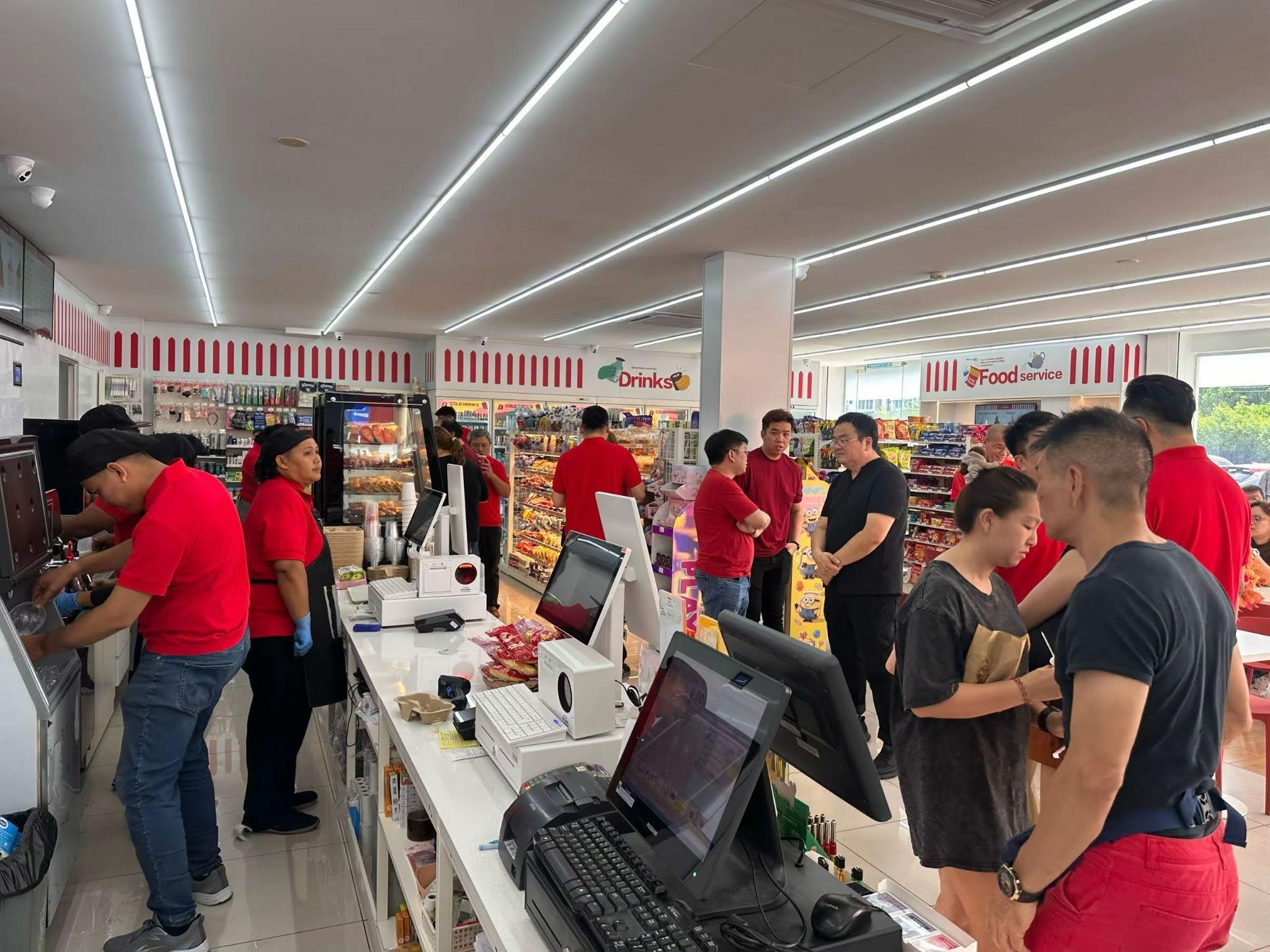
Vietnam and Malaysia, Meiyijia’s first overseas destinations, differ significantly in retail structure, income levels, and urban form.
Local incumbents also hold deep advantages – from government relationships to the practical realities of securing retail locations.
How Meiyijia adapts its model to build local competitiveness will be closely watched. The lessons could extend far beyond convenience stores – to any large Chinese retailer attempting to scale overseas.