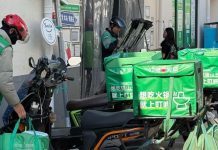




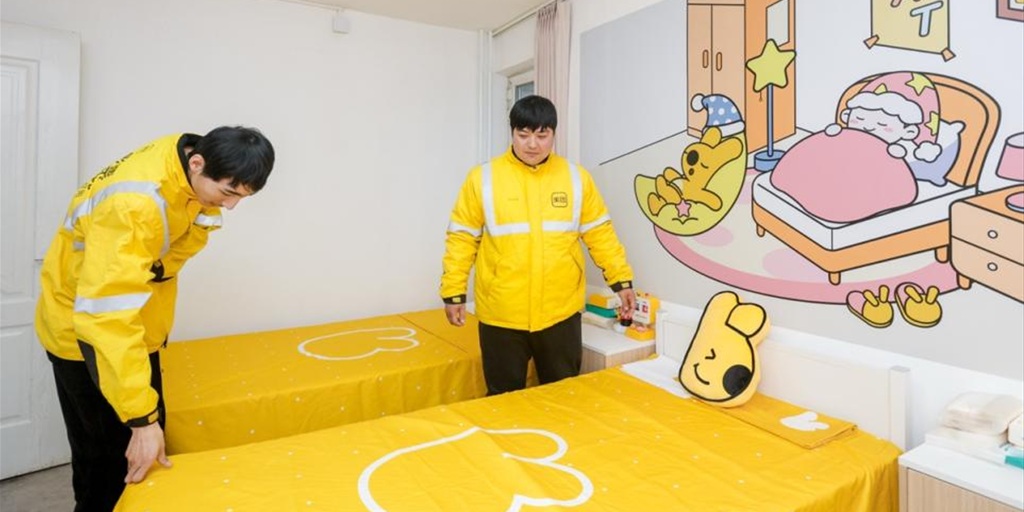
On 21 November, Meituan announced that it is building a network of “Rider Dorms”, with the first batch of 600 delivery workers set to move into facilities in Beijing, Shenzhen, and Chongqing soon.
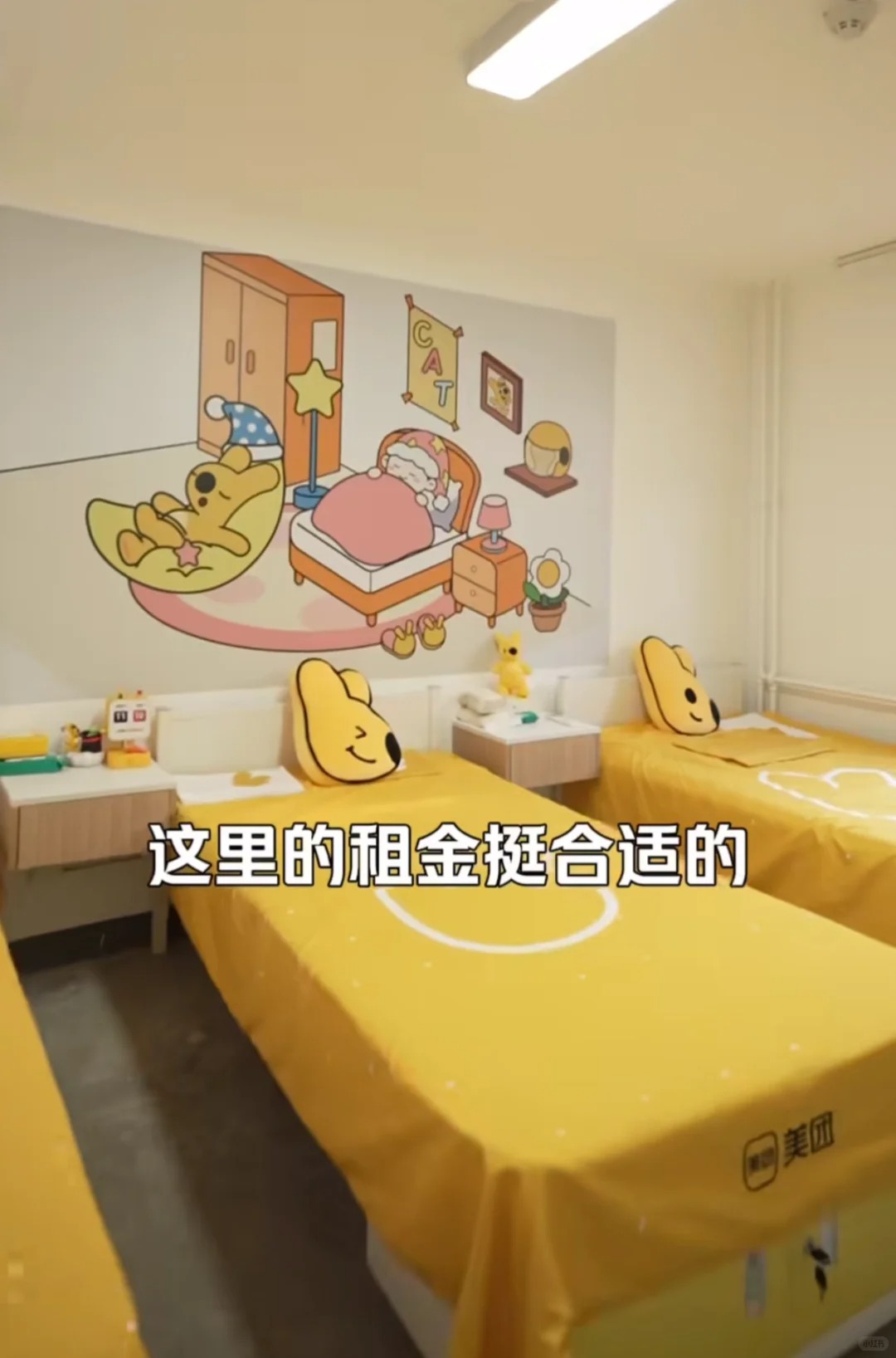
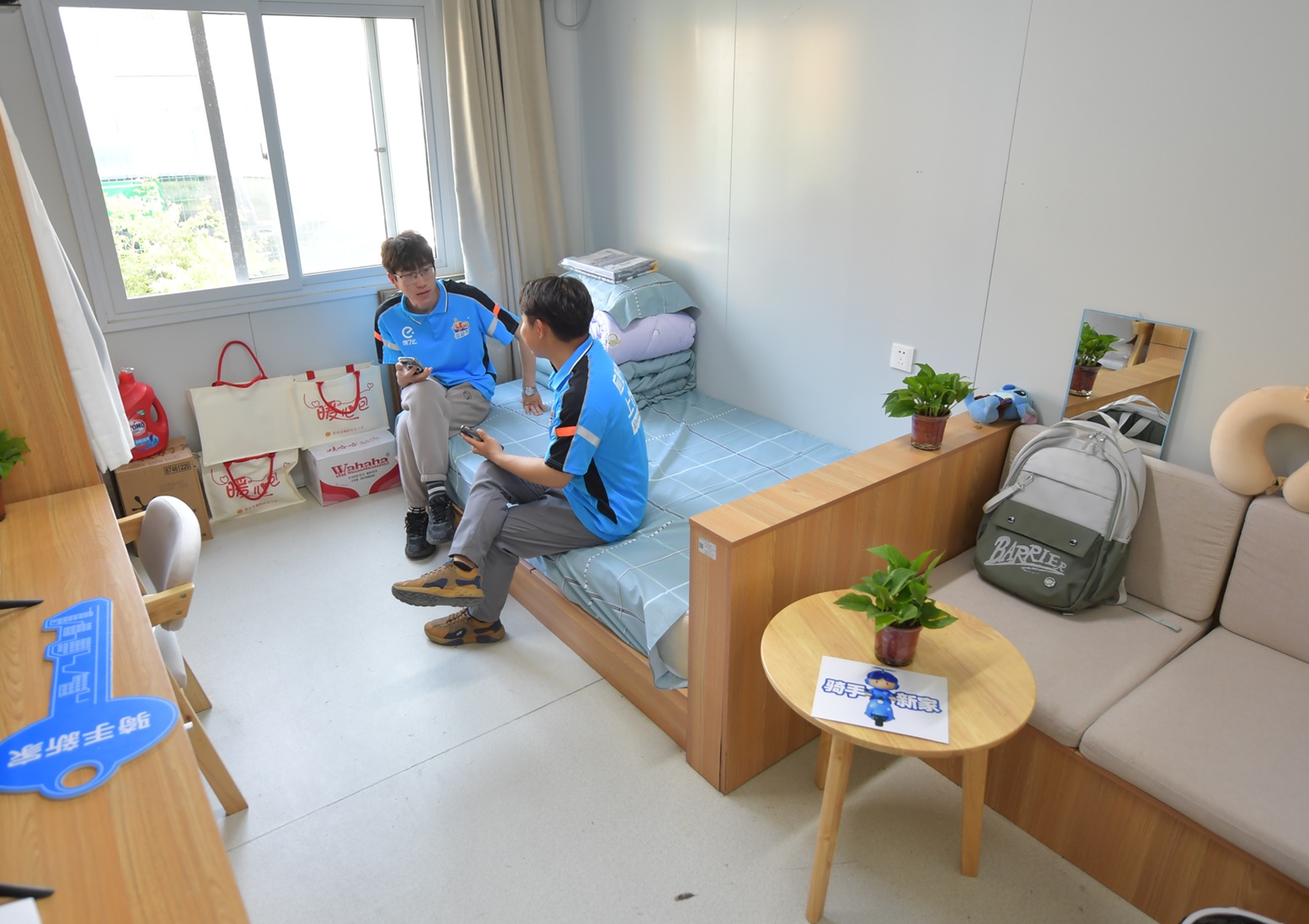
The dormitories will be well-furnished, complete with utilities, home appliances, shower facilities, and with cleaning and maintenance handled by dedicated personnel. More importantly, they are priced affordably – and Meituan is even covering water, electricity, winter heating, and internet costs for the initial group of residents.
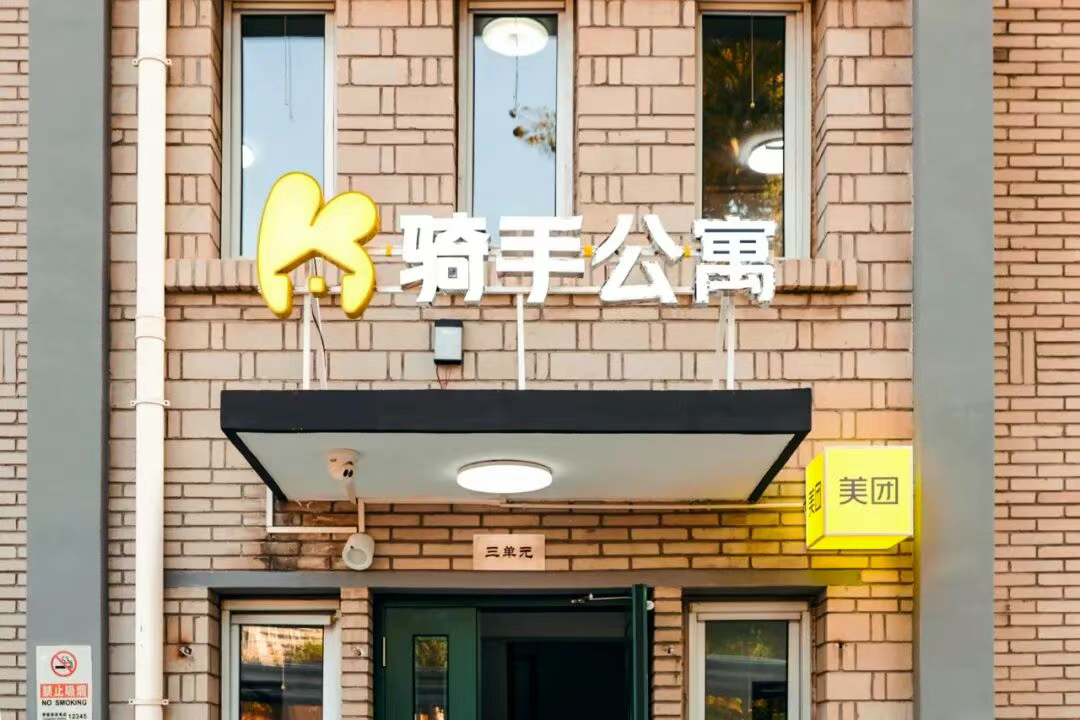
According to Meituan’s official announcement, rents in these dorms will be guaranteed to remain below market levels through subsidies. For instance, a single room in the dorm in central Beijing only actually costs riders CNY 700 per month, compared with at least CNY 1500 for similar units in the area. All Meituan delivery riders, regardless of their order type, are eligible to apply, though priority will be given to those with transitional housing needs. Meituan also made it clear that the dorms will be located in downtown districts of major cities, allowing riders to live closer to their delivery zones.
This programme falls under Meituan’s Tongzhou Plan (同舟计划), a long-term initiative launched 5 years ago to improve rider welfare. The company plans to invest CNY 10bil (US$ 1.4bil) over the next 5 years and has stated that more rider dorms will be rolled out nationwide.
There have also been discussions on Chinese social media. Beyond the many positive comments, others argue that concentrating a large number of riders in certain CBD areas with some housing investments is economically advantageous for Meituan. Some see the initiative as a strategic move to attract and maintain rider loyalty, while others believe it may be driven by government pressure – especially since Meituan itself cannot build low-cost dorms directly without government support.
It has long been common for major Chinese tech companies to provide housing for employees – Xiaomi, Huawei, JD and Xpeng have all launched or expanded such programmes this year. Even in the food delivery sector, Meituan is not the first mover. Ele.me previously experimented with several models to offer accommodation to riders, including bulk rental arrangements, government-led projects, and government-firm cooperations.
All of this reflects a broader trend: as these adjacent capabilities build up, Chinese platforms are becoming larger, more integrated, and more multifaceted than many observers might imagine.
You can also make reference to the following Momentum Works reports and articles for more: