


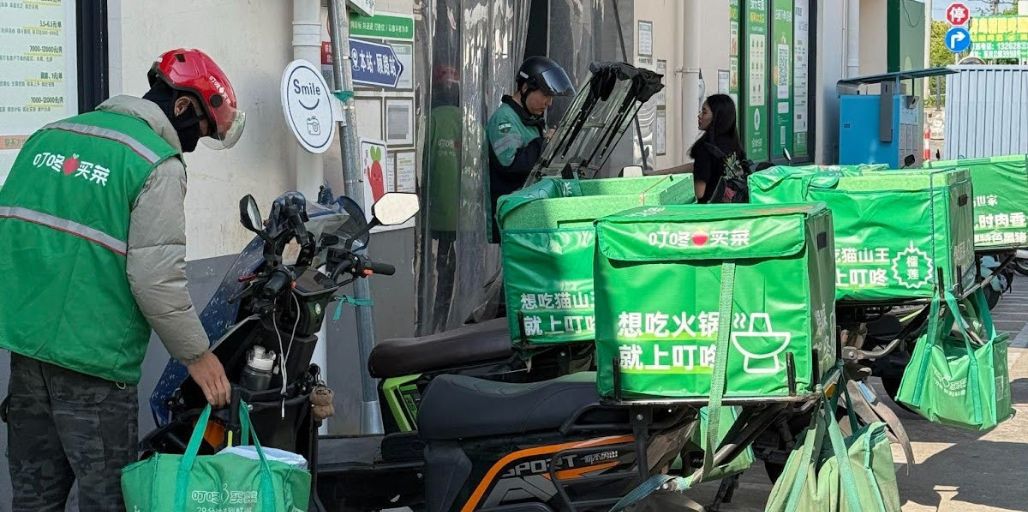
Yesterday (5 Feb), Meituan, China’s largest food delivery and quick commerce platform, announced the acquisition of DingDong Fresh (NYSE: DDL).
Although the acquisition price looked very cheap, it is a good outcome for both parties.
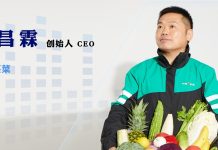
DDL is one of the most respected startups in China, and its founder Changlin Liang is almost universally respected by everyone we know who knows him.
Momentum Works team has visited DDL HQ and facilities many times during our quick commerce and new retail immersions. Its operations are digital and refined, and its supply chain depth is impressive. Its predictive engine leads to almost 90% accuracy of GMV & SKU stocking, and less than 1.5% loss rate.
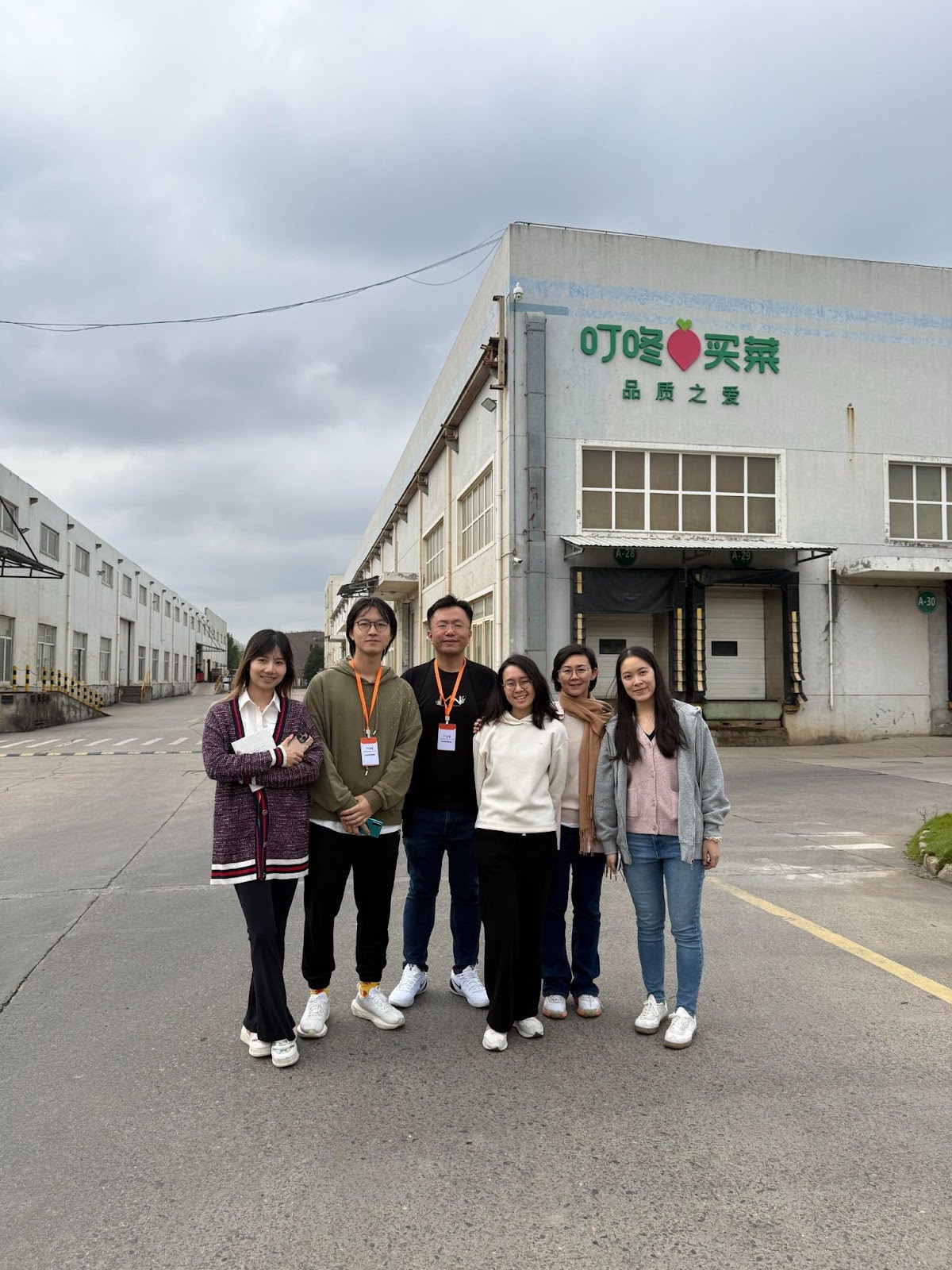
Every China retail veteran in the Momentum Works community agrees that Dingdong is doing a much better job operationally than Meituan or JD. However, amid an increasingly competitive online grocery and new retail space dominated by large platforms like Meituan and Alibaba, the survival of independent players such as DDL has become harder and harder, no matter how good your operations are.
Here are some facts and thoughts:
- Dingdong was founded in 2017 in Shanghai, during a wave of funding for dark-store-based, fresh-focused quick commerce startups. The other two leading players at that time were Beijing-based Miss Fresh, and Pupu Supermarket from the Southern Fujian province;
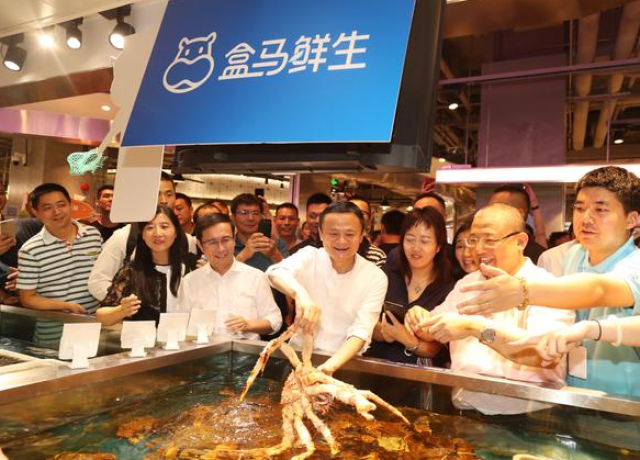
- 2017 was also the height of “New Retail”, a concept that Alibaba founder Jack Ma proposed in the previous year. In Jack Ma’s vision back then, there would be no pure ecommerce nor pure offline retail in the future, only “new retail” – integration of online, offline and logistics – will prevail. The photo of Jack holding a king crab during a visit to Alibaba’s Freshippo (Hema) supermarket went viral online, and sent shock waves across the traditional retail sector.
- Large ecommerce platforms have natural advantages over traditional retailers – digital-first, user-centred rather than store-centred logic, and vast online marketing/operational resources and expertise. While digital-native startups such as Dingdong Fresh and Pupu hoped to run faster than large platforms;
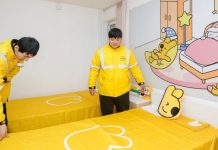
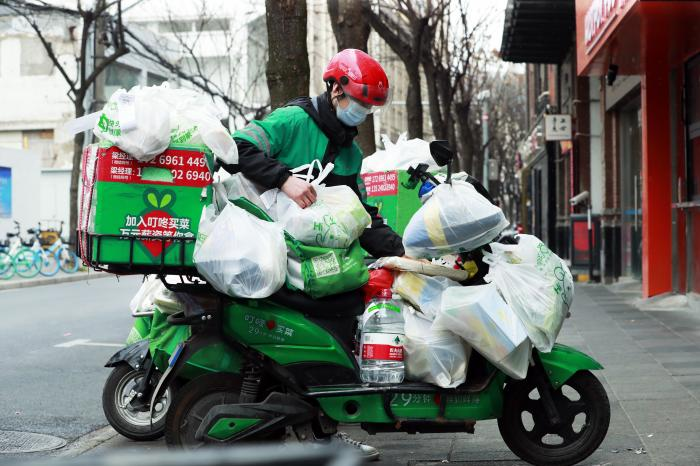
- DDL had a boost during the Covid-19 pandemic, when lock-downs of the metropolis of Shanghai sent demand off the roof. It went public on NYSE in July 2021 at a valuation of more than US$5 billion. Below is an iconic photo of a DDL rider who worked 20 hours a day to deliver groceries to lock-down residents of Shanghai:
- Alas, cracking the retail game has been hard for everyone, big or small. During Alibaba’s transformation launched in 2023, the company disposed of much of its retail assets, including supermarket group Sun Art. In Jan 2026, Amazon also announced the closing of Amazon Fresh & Amazon Go retail stores;
- While Miss Fresh imploded in 2022, DDL ploughed on, withdrawing from nationwide expansion to focus on Shanghai and surrounding areas. The company achieved the impossible task of full year profitability in 2024. It has also gone very deep into the supply chain to build private-label brands across categories. We have tasted many of its products during our visits to its HQ – they are indeed very good quality;
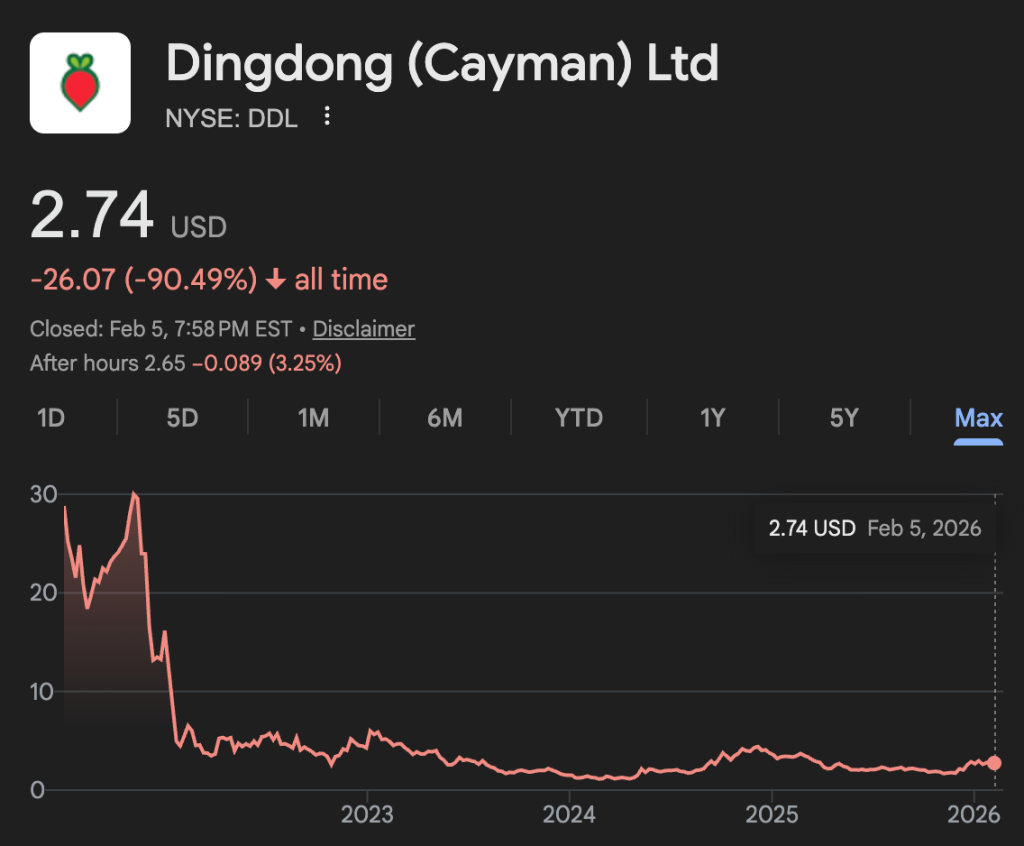
- But life has become harder and harder, with large platforms Meituan and Alibaba closing in. According to Chinese media reports, in almost every management meeting of DDL, when a new initiative was proposed, the founder always asked back “what would we do if Meituan does the same?” He rarely got a good answer. DDL has lost over 90% of its market cap since IPO;
- At the same time, Sam’s Club, Walmart’s membership store, has expanded its dark store network rapidly in China. In 2024, an article suggesting “Sam’s Club is the real winner in China’s new retail war” strongly resonated with many Chinese retail veterans in Momentum Works’ community.
- In 2025, the quick commerce war in China tipped the balance further, with tech majors Meituan, Alibaba, JD all investing billions into their online, offline, and hybrid grocery networks. (Full analysis in Momentum Works Quick Commerce in China 2025 report);
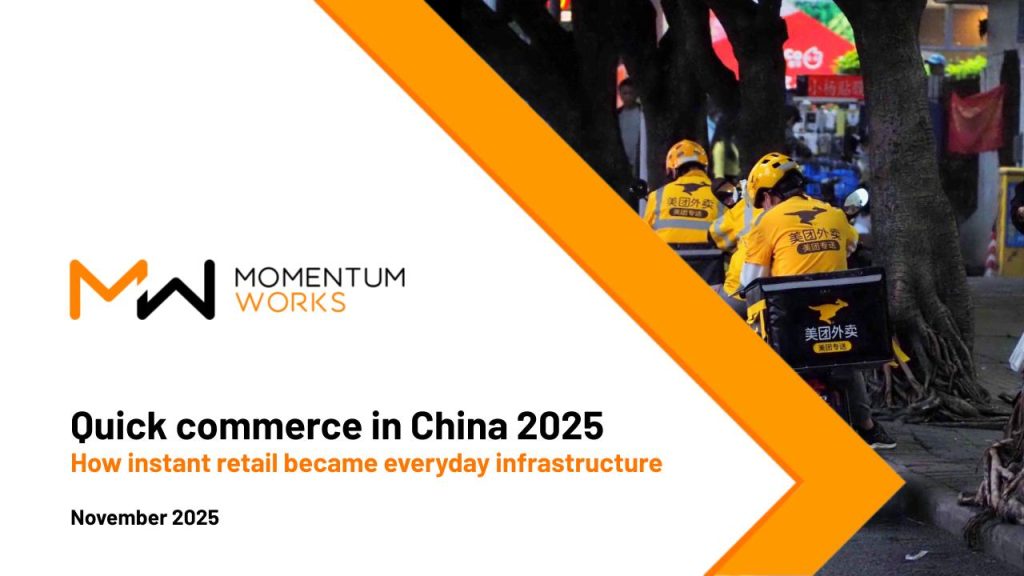
- In a way, regardless of the price, selling to Meituan is the best outcome for DDL, as well as all the solid supply chain & operations its team has built. Meituan has been expanding its Xiaoxiang supermarket dark store network aggressively, but it still lacks the refined supply chain operations. Alibaba already has Freshippo and JD has too many things on its plate. So DDL under Meituan’s wings will likely show a lot of value;
- The deal with Meituan was purely for the China business of DDL, with the acquirer agreeing to the founding taking some cash to continue their overseas attempts. Dingdong Fresh has made B2B partnerships with many retail groups across the world to distribute its products. Founder Changlin Liang and team would likely continue that undertaking;
- Ultimately, markets outside China are much less competitive, and much more likely for a company to achieve and sustain profitability. That is a key reason why so many companies in China are expanding overseas.